Storm damage or broken modules
Keep people away from damaged equipment and involve your site electrical team. Check whether an insurer or surveyor needs to release the lot before anything moves.
FOR SOLAR ASSET OWNERS AND SITE TEAMS
Xpogen helps asset owners, EPCs and O&M teams describe damaged or retired solar panel lots and explore suitable receiving routes in India. We clarify the material, what a receiving business can accept and how a handover might be arranged.
Start with the district and state, approximate panel count or weight, visible condition and whether the modules are still installed. Identify who can approve release. For waste going to recycling, confirm that the receiving facility is registered and can accept your module type before arranging pickup. Xpogen helps clarify the options and coordinate follow-up.
Keep people away from damaged equipment and involve your site electrical team. Check whether an insurer or surveyor needs to release the lot before anything moves.
Inventory the modules before removal. Record condition and available test evidence by group so working, untested and damaged panels can be considered separately.
Panels already removed? Before dispatch, confirm which panels the recipient will accept, who pays for loading and transport, and what receipt you will get. Use the handover checklist.
You can enquire about damaged or failed modules, panels removed during replacement or decommissioning, manufacturing rejects and warranty returns. Source, ownership and any restrictions on release need clarification. Loose cells, components and other equipment should be described separately. See the solar PV material guide for a clearer description of your lot.
State whether the modules are crystalline silicon, thin film or an unknown type. Mixed lots should be identified as mixed. An enquiry does not mean every material or location will be accepted.
“Removed while working”, “looks intact” and “untested” mean different things. Share only what is known and mention damage, missing labels or missing test records. A photo or an old output rating cannot establish current electrical safety or performance.
A proposed resale does not by itself settle the material’s legal status. Intended use, condition, source and applicable requirements need review. Reuse assessment and a waste receiving route require different evidence; unknowns remain unresolved until checked.
First enquiry: your name, phone number, city/state and approximate quantity. Preferred language and extra seller or buyer details are optional. If known, sellers can add condition and their relationship to the material; buyers can describe the material and intended use. A panel count, rough weight or “not sure” is enough to begin. No account is needed.
Use the solar panel lot inventory template to record module counts, condition and measured or estimated weight by group.
Use the damaged solar panel handover checklist to record the lot, release authority, receiving checks and proof of receipt.
The receiving requirements guide explains what buyers should clarify.
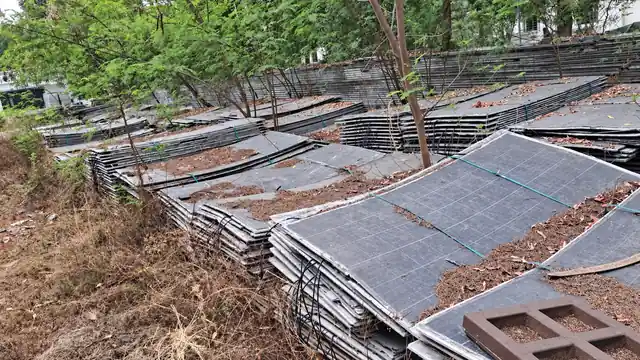
Use an existing wide photo showing the panels and their surroundings. Tell us which panels belong to your lot.
Share an existing clear photo of the label, if available. Tell us if labels are missing or unreadable.
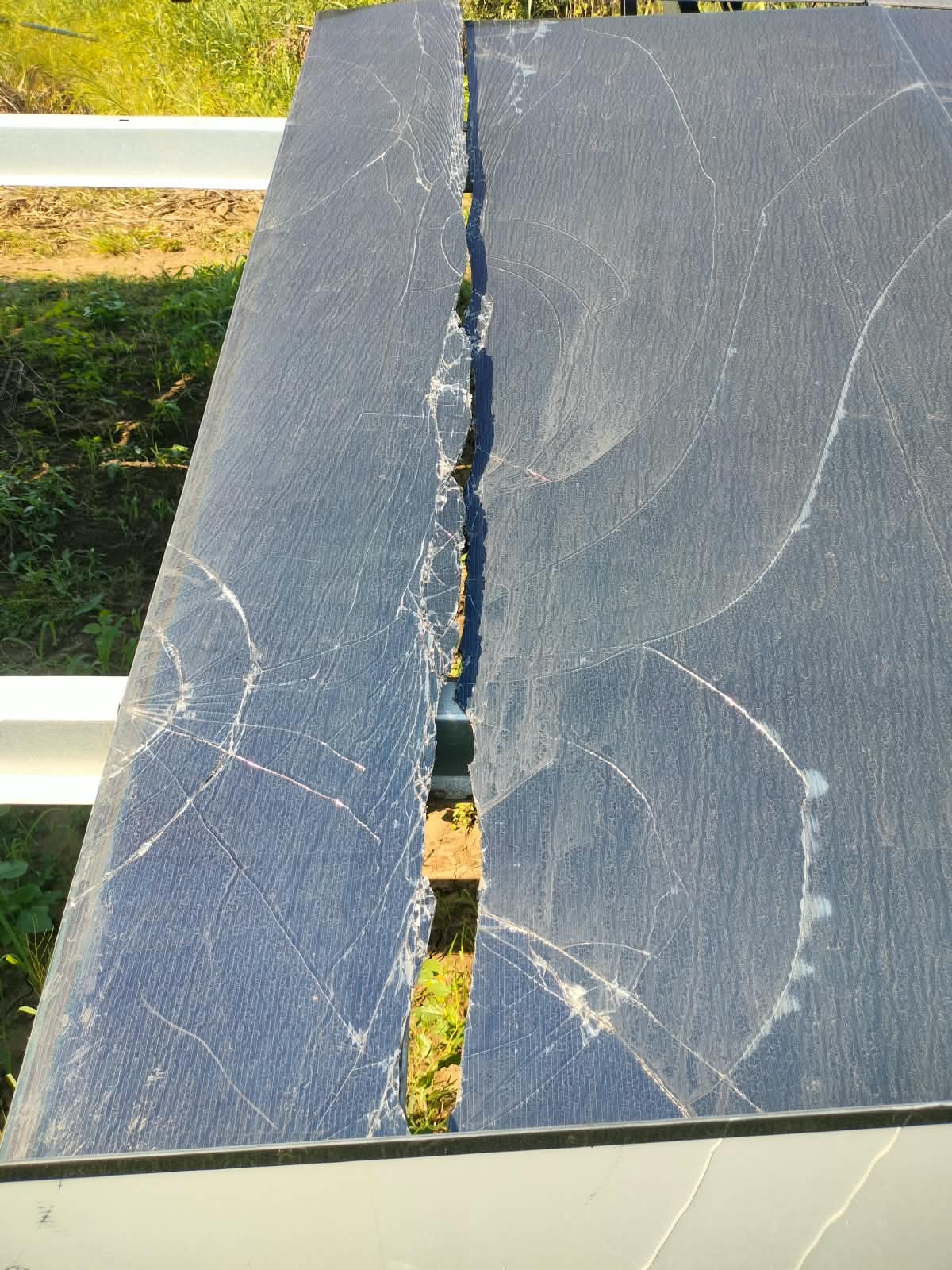
Use an existing close-up of cracks or other visible damage. A photo cannot establish electrical safety or output.
Use existing photos or a safe view from where you already are. Do not climb, disconnect, move or handle panels just to take pictures.
FROM YOUR SITE TO THE NEXT STEP
The right next step depends on the panels, the available information and a suitable receiving party. Reuse or recycling is not guaranteed.
Tell us the location, rough quantity and whether the panels are still installed. Existing photos and records can follow.
We clarify ownership, known condition and the material’s legal status. Any technical assessment is separately arranged; photographs alone cannot confirm that panels work.
If a suitable route is found, agree acceptance conditions, costs, payment and responsibilities in writing. Any Xpogen fee is agreed beforehand.
Panels could be used again if assessment supports the intended use. The material’s legal status and receiving requirements must also support that route.
An appropriate facility may process the panels for material recovery. Its eligibility and scope for the material need review before transfer.
If information is missing or no suitable route is found, pause the transfer. An enquiry may not lead to a transaction.
Only after a suitable route and terms are agreed
Confirm the recipient, date, quantity checks, removal if needed, packing, loading and transport. An enquiry alone does not book collection.
Keep the agreed handover and receipt records. Any required processing evidence comes from the appropriate receiving party; delivery alone does not prove recycling.
Xpogen coordinates information and follow-up. We do not take ownership of panels, hold buyer–seller payments or certify that panels work or have been recycled.
WHO DOES WHAT
The people, work and responsibilities are agreed for the particular lot.
Shares known details and available records, establishes authority to offer the material, and agrees the terms.
Clarifies information, helps identify a possible receiving route and coordinates follow-up. Does not own the material or hold buyer–seller payments.
If separately engaged, checks condition and suitability within the agreed assessment scope. This is not provided by the enquiry form.
Confirms what it can accept, reviews its receiving requirements and provides the agreed handover records. Relevant eligibility evidence needs review.
There is no reliable universal scrap rate or collection promise from a photograph. A proposal needs enough information about the specific lot and receiving route. The outcome may involve a material price, handling or service charges, or no suitable offer.
Compare what an offer includes, not just a headline number. Clarify who measures quantity, who arranges safe removal if needed, who packs and loads, who pays transport, and what happens if inspection or the final quantity differs. Do not dispatch material on the strength of an enquiry.
See a worked comparison of two damaged-panel offers using net proceeds after loading, transport and rejections.
In one enquiry, proposed terms differed depending on which panels the buyer would accept. In another, the asking price included other equipment as well as panels. Before comparing figures, confirm exactly which material and costs each figure covers.
Field note on mixed-lot offers · Field note on a bundled asking price. Both records stop before handover.
We do not promise free collection, nationwide acceptance, a minimum price or guaranteed supply. Xpogen is not a registered recycler and does not issue recycling or EPR certificates. A document review or introduction is not legal clearance or a guarantee that panels work. Read our approach to responsible solar material decisions.
Xpogen does not buy for its own inventory. A receiving party, suitability and written collection terms must be agreed first. Submitting the form does not book a vehicle or reserve a buyer.
No universal threshold or rate is promised here. Share your approximate amount and location; the team will assess whether a suitable route can be considered. Do not change your quantity to fit an assumed minimum.
Describe them as untested and share what is known. Appearance alone cannot establish performance, safety or suitability for reuse. Any needed technical assessment must be agreed separately.
Yes. State your role and who owns the material. Your authority to offer or transfer it needs evidence before a transaction can proceed; site access alone is not proof of ownership.
No. The requirement, facility and relevant eligibility evidence need review. Availability and written terms must be confirmed before any commitment; an enquiry guarantees neither reservation nor supply.
The first form does not ask for licences, identity documents or payment details. Share the basic information only. Any later Xpogen fee is explained and agreed before commitment.
No. Enquiries are handled privately by the team. Information is stored on the website and included in follow-up notification emails as explained in the privacy policy.
No. Owners’ authority, the receiving party’s eligibility and route-specific records still need verification. Any required certificates or handover evidence must be agreed with the appropriate party; Xpogen does not issue recycling or EPR certificates.
Yes. Tell us they are still installed. You do not need to remove them to start an enquiry. Any removal work, responsibility and cost must be arranged separately.
Yes—describe it as a mixed lot. Share separate rough counts where already known, and identify anything untested. Different groups may need different assessments or receiving routes.
Before confirming, agree who arranges and pays for removal, packing, loading, transport and any testing. Do not assume a quoted panel price includes these costs. Any Xpogen fee is agreed beforehand.
There is no fixed collection timeline. It depends on the information available, a suitable receiving party, any assessment and agreed logistics. An enquiry does not book a collection date.
Agree the records before transfer: the receiving party, quantity, date and acknowledgement of receipt. Any required processing evidence comes from the appropriate receiving party. A delivery receipt alone does not prove recycling.
India’s E-Waste (Management) Rules, 2022 include solar PV modules, panels and cells, with a dedicated chapter. Check the applicable rules, amendments and receiving requirements for the actual material and route: MoEFCC rules and the CPCB e-waste portal and solar PV guidance.
The IEA PVPS report on second-life modules explains why testing and sorting matter for reuse decisions. It is technical context, not approval of a specific lot.
See the Ministry’s explanation of Chapter V for solar PV waste and the solar PV storage and handling guidance in the CPCB portal above.
Share a panel lot or a material requirement. The next step is a conversation about the details and whether a suitable route can be considered.